
November 13, 2025
Comprehensive Guide to Hazardous Waste Disposal Pittsburg – Ensuring Safety and Environmental Responsibility
Hazardous waste disposal Cleveland is a critical process for managing materials that pose a risk to health, safety, and the environment. Whether generated by industrial activities, household products, or medical facilities, hazardous waste needs to be disposed of responsibly. This guide provides an in-depth overview of hazardous waste disposal Pittsburg, the importance of correct handling, and the best practices for ensuring a safer, cleaner future.What Is Hazardous Waste?
Hazardous waste refers to any material that is potentially harmful to human health or the environment. These materials can be toxic, flammable, corrosive, or reactive, making them dangerous if not properly managed. Common examples of hazardous waste include chemicals, solvents, paints, batteries, pesticides, and medical waste. Given their dangerous nature, hazardous waste must be disposed of in ways that protect people and ecosystems.The Importance of Proper Hazardous Waste Disposal
Improper hazardous waste disposal Detroit can have severe consequences for public health and the environment. When hazardous waste is improperly discarded, it can contaminate soil, air, and water. This can lead to pollution, which harms wildlife and can result in long-term ecological damage. Furthermore, exposure to hazardous waste can lead to serious health problems, including respiratory issues, skin diseases, and even cancer. Proper disposal methods are essential for reducing these risks and ensuring a healthier, more sustainable environment. In addition to protecting public health, proper hazardous waste disposal Jacksonville helps businesses and households comply with environmental regulations. Regulatory bodies, such as the Environmental Protection Agency (EPA) in the United States, have set strict guidelines for the handling, storage, and disposal of hazardous materials. Adhering to these laws is not just a legal requirement, but a responsibility to ensure the safety of communities and natural resources.Categories of Hazardous Waste
Hazardous waste is categorized based on its characteristics. The main categories include:- Chemical Waste: This includes substances such as solvents, acids, and pesticides that can be harmful if not disposed of correctly. Chemical waste can be highly toxic and, in some cases, explosive.
- Biomedical Waste: Medical facilities generate hazardous waste in the form of used needles, syringes, and contaminated materials. Improper disposal of biomedical waste can lead to the spread of diseases and infections.
- Flammable Waste: Materials such as gasoline, solvents, and some cleaning agents are flammable and can ignite under certain conditions. These materials must be disposed of in fireproof containers to prevent accidents.
- Toxic Waste: Substances that are toxic or harmful to human health or the environment, such as certain heavy metals, asbestos, and certain industrial chemicals, fall under this category. They can cause serious health problems if exposure occurs.
- Corrosive Waste: This includes substances like acids and bases that can eat away at materials and cause burns. Corrosive waste must be neutralized before disposal.
- Reactive Waste: These substances, including explosives and unstable chemicals, are prone to reacting violently when exposed to certain conditions, such as heat, pressure, or water.
Hazardous Waste Disposal Methods
There are various methods for disposing of hazardous waste, each suitable for different types of materials. Below are some of the most common disposal methods used:- Landfill Disposal: While not always ideal, landfills can be used for hazardous waste disposal Chicago when other methods are not feasible. However, landfills must be carefully designed to prevent hazardous waste from leaching into the surrounding environment. Specialized, lined landfills are used for this purpose.
- Incineration: Incineration involves burning hazardous waste at high temperatures to break down harmful chemicals. This method is particularly effective for organic chemicals and biomedical waste. The heat destroys toxic substances, leaving behind ash that must be carefully handled.
- Recycling: Some hazardous materials can be recycled, particularly certain chemicals and metals. Recycling hazardous waste reduces the need for new raw materials and minimizes environmental impact.
- Neutralization: For certain hazardous chemicals, such as corrosive substances, neutralization involves adding chemicals to change their composition, making them less harmful. Once neutralized, the waste can often be safely disposed of in a regular landfill.
- Chemical Treatment: Chemical treatments are used to alter the hazardous properties of waste. For example, detoxifying or stabilizing chemicals may be added to render the waste less harmful to the environment and human health.
- Bioremediation: This method involves using microorganisms to break down hazardous waste into less harmful substances. Bioremediation is an environmentally friendly alternative to more traditional disposal methods and is often used for oil spills and other types of chemical contamination.
Steps Involved in Hazardous Waste Disposal
- Identification and Classification: The first step in hazardous waste disposal is identifying and classifying the waste to determine its toxicity, flammability, and other dangerous characteristics. This step is crucial for selecting the most appropriate disposal method.
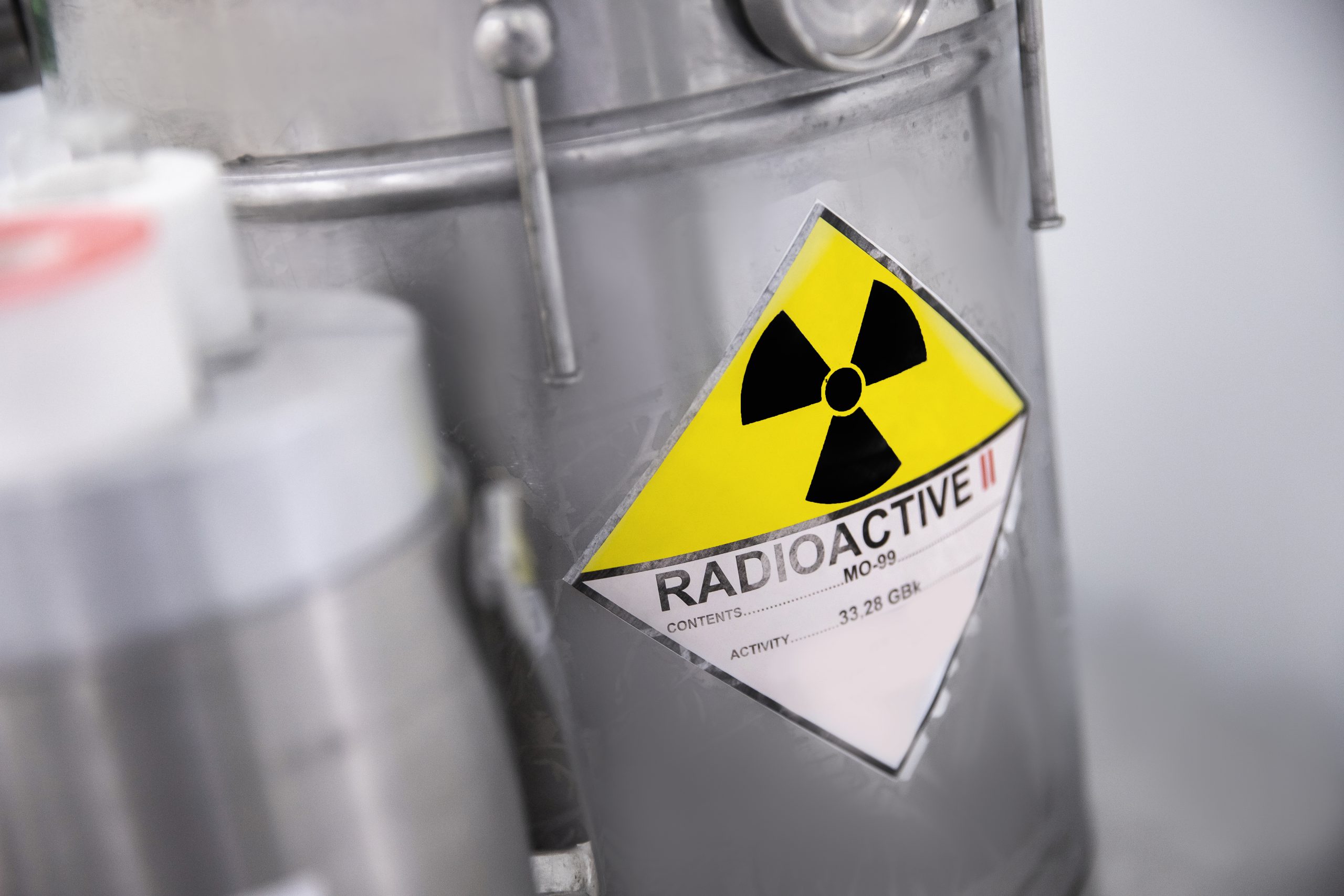
- Storage: Hazardous waste must be stored in secure containers that are specifically designed to prevent leaks and spills. Proper labeling is essential to identify the type of waste and its potential hazards. The storage area must be equipped with safety measures, such as fire suppression systems and spill containment barriers.
- Transportation: Once stored, hazardous waste is typically transported to a disposal facility. Specialized vehicles are used to safely move the waste, and drivers must be trained in handling hazardous materials to prevent accidents during transport.
- Treatment and Disposal: After the waste reaches the treatment or disposal facility, it undergoes the necessary treatment process. Depending on the type of waste, it may be incinerated, neutralized, recycled, or placed in a landfill.
- Post-Disposal Monitoring: After hazardous waste is disposed of, it is important to monitor the site for any signs of contamination. This monitoring ensures that any potential environmental impact is detected early and mitigated.
Best Practices for Hazardous Waste Disposal
To ensure safe and effective hazardous waste disposal, it’s essential to follow these best practices:- Follow Local Regulations: Always check local regulations and guidelines regarding hazardous waste disposal. These regulations are in place to protect both people and the environment, and non-compliance can result in heavy fines and environmental damage.
- Use Certified Disposal Companies: It’s important to work with certified hazardous waste disposal companies that have the expertise and equipment to handle and dispose of hazardous materials safely. They are equipped to manage waste that requires special care, such as toxic chemicals or medical waste.
- Educate Employees: If you’re running a business that generates hazardous waste, ensure that employees are trained in proper handling and disposal procedures. Regular training can help prevent accidents and ensure that your company remains compliant with waste disposal regulations.
- Minimize Hazardous Waste Generation: One of the best ways to manage hazardous waste is to reduce the amount generated. Implementing waste reduction strategies, such as using safer chemicals or reusing materials, can minimize the need for disposal in the first place.
- Consider Eco-Friendly Alternatives: Whenever possible, explore alternatives to hazardous materials. For example, using non-toxic cleaning agents or opting for recyclable materials can significantly reduce the amount of hazardous waste your business or household produces.