September 16, 2024
Kitchen remodeling near me in Elmhurst
Embarking on a kitchen remodeling near me in Elmhurst journey can be both thrilling and daunting. With numerous decisions to make and steps to follow, having a well-structured plan is crucial to ensure the process remains smooth and stress-free. Whether you’re enhancing your kitchen for better functionality, aesthetic appeal, or to boost your home’s value, this comprehensive guide will lead you from the early planning stages all the way to the finishing touches.
1. Establish Your Objectives and Budget
Before diving into selecting countertops and cabinets, it’s essential to outline your remodeling goals. Are you aiming to expand storage space? Do you want to adopt an open-concept layout? Or perhaps you’re updating the design to match your personal style? Clearly defining your primary goals will steer your decisions throughout the project.
- Set Your Financial Plan: Develop a realistic budget that encompasses all aspects of the remodel, including design fees, materials, labor costs, and a contingency fund. Allocating an extra 10-15% of your budget for unforeseen expenses is advisable.
- Differentiate Between Needs and Wants: Create a list distinguishing essential elements from desirable extras. This helps maintain focus on critical aspects, especially if budget adjustments are necessary.
2. Measure Your Space and Design the Layout
Accurate measurements are vital to ensure your new kitchen fits seamlessly. Measure your current kitchen’s dimensions, including walls, windows, doors, and ceiling height.
- Design Your Layout: Choose a layout that best meets your needs, whether it’s an L-shape, U-shape, galley, or open plan. Ensure the design facilitates an efficient workflow, often referred to as the kitchen work triangle, which connects the sink, stove, and refrigerator.
- Evaluate Traffic Flow: Ensure there is ample space for movement, particularly around high-traffic areas like the sink, stove, and fridge.
3. Select Your Style and Design Components
This is the exciting phase where you design your ideal kitchen! Select a style that harmonizes with the rest of your home, whether it’s modern, traditional, farmhouse, or a blend of styles.
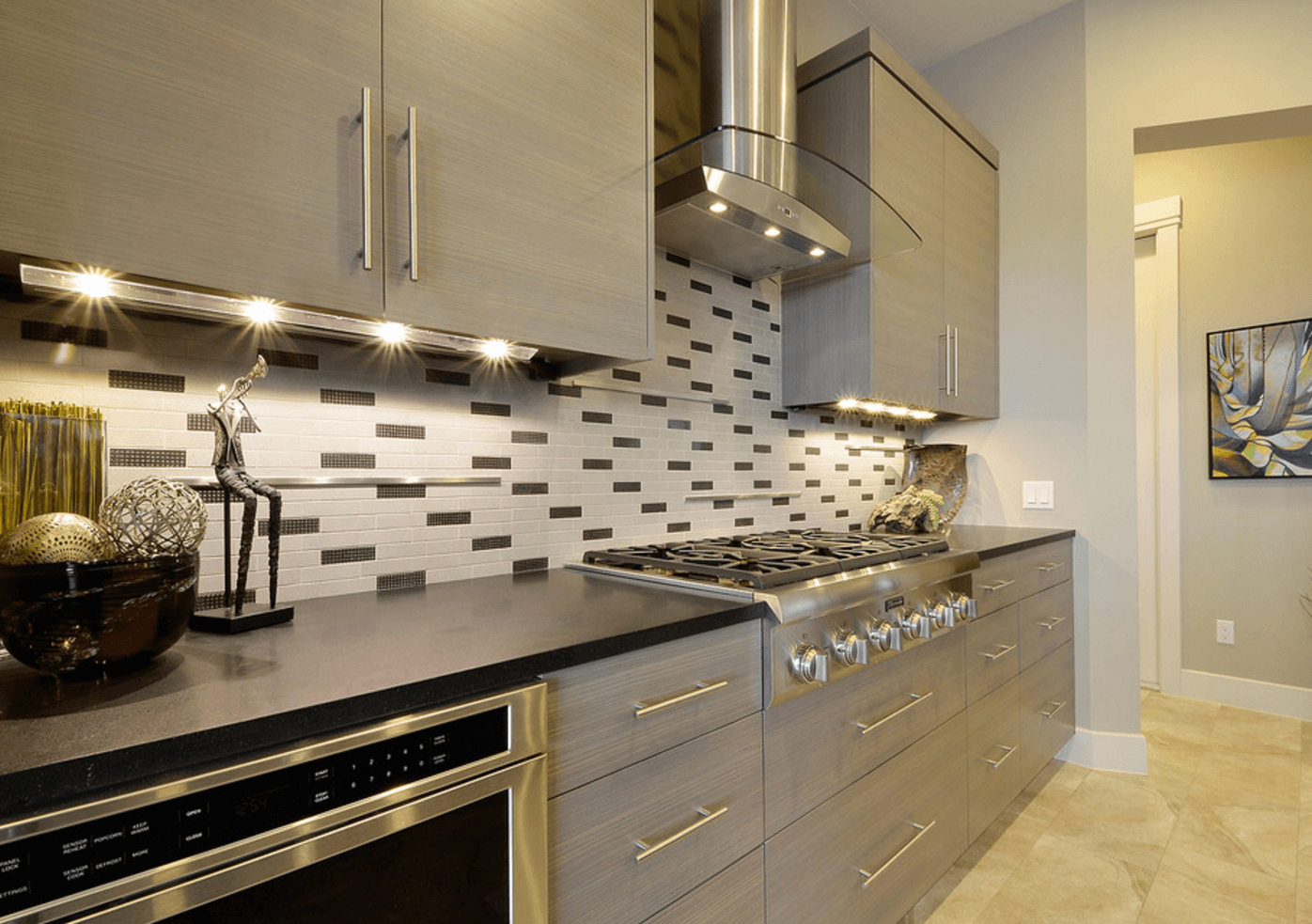
- Cabinets and Storage Solutions: Choose the style, material, and color of your cabinets. Consider additional storage options like pull-out shelves, deep drawers, and pantry cabinets to maximize space.
- Countertops: Select from a variety of materials such as granite, quartz, marble, or butcher block. Consider factors like durability, maintenance requirements, and visual appeal.
- Backsplash: A backsplash can infuse personality into your kitchen. Opt for materials that complement your overall design, such as tiles, glass, stone, or metal.
4. Select Appliances and Fixtures
Appliances and fixtures significantly impact both the functionality and appearance of your kitchen.
- Appliances: Choose energy-efficient models that fit your layout and cooking habits. Think about incorporating smart refrigerators, double ovens, or induction cooktops.
- Lighting: Implement a mix of task lighting, ambient lighting, and accent lighting to create a well-lit environment. Options include under-cabinet lights, pendant lights over the island, and recessed ceiling lights.
- Plumbing Fixtures: Select faucets and sinks that match your design style and meet your practical needs. Popular finishes include stainless steel, matte black, and brushed nickel.
5. Engage the Right Professionals
Unless you’re an experienced DIY enthusiast, hiring professionals is crucial for a successful remodel.
- General Contractor: A general contractor manages the project, coordinating with subcontractors and ensuring the work is completed correctly and on schedule.
- Designers: A kitchen designer can assist in creating a cohesive look and efficient layout, maximizing your space effectively.
- Specialized Tradespeople: Electricians, plumbers, and carpenters handle specific tasks that require specialized expertise.
6. Secure Permits and Prepare for Demolition
Check local regulations to determine if permits are needed for your remodel, especially if you’re making structural changes or modifying plumbing and electrical systems.
- Clear the Area: Remove appliances, cabinets, and other items from the kitchen to prepare for demolition.
- Protect Other Spaces: Use plastic sheeting to seal off adjacent rooms, minimizing the spread of dust and debris throughout your home.
7. Installation Phase: Bringing Your Vision to Life
After demolition, the installation phase begins. This stage involves setting up all the elements that will bring your design to fruition.
- Framing and Plumbing: If altering the layout, new framing and plumbing installations come first.
- Electrical Work: This includes wiring for lighting, appliances, and outlets.
- Cabinets and Countertops: Install cabinets first, followed by countertops, ensuring everything is level and properly aligned.
- Appliances and Fixtures: Once cabinets and countertops are in place, install appliances, faucets, and lighting fixtures.
8. Final Touches and Inspections
As your kitchen approaches completion, focus on the finishing touches and necessary inspections.
- Painting and Backsplash Installation: Apply your chosen wall color and install the backsplash to complete the aesthetic.
- Hardware and Accessories: Attach cabinet handles, drawer pulls, and other finishing hardware.
- Final Inspection: Conduct a thorough walkthrough with your contractor to ensure everything is installed correctly and functioning as intended.
9. Clean Up and Enjoy Your New Kitchen
The final step is to clean up any construction dust and debris, organize your new kitchen items, and start enjoying your remodeled space!
- Deep Cleaning: Perform a comprehensive clean to make your kitchen ready for use.
- Organize Your Space: Arrange your kitchenware to maximize the new layout and storage solutions effectively.
A kitchen remodel is a significant project, but with meticulous planning and the right team, it can transform your space into a functional and beautiful area you’ll cherish. Use this comprehensive guide to stay organized and on track from the beginning to the end, and soon you’ll be enjoying your dream kitchen!